
















New Catalysis App Accelerates Catalyst Discovery with AI-Ready Data
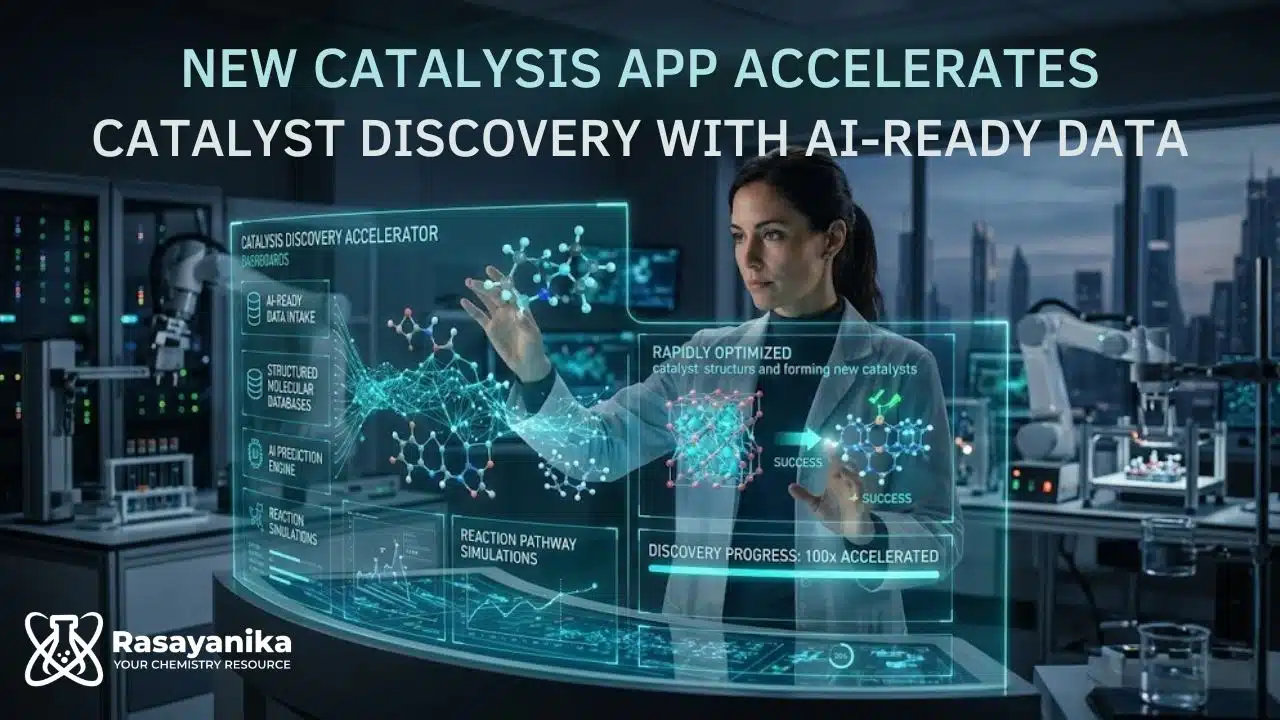
A significant advancement in quickening and establishing more sustainable catalyst research had been accomplished by creating an innovative digital platform called the Catalysis App. This new technology converts the collections of catalysis data into a dynamic and digital format, hence improving the way researchers are able to gather, access, and evaluate catalysis data by removing some barriers they face when trying to accelerate the search for the next generation of catalysts that are important in a low-carbon future.
Catalysts have been a critical component in the reduction of activation energy and the improvement of the productivity of chemical transformations in numerous industries ranging from petrochemicals to clean energy production. Historically, finding high-quality and sustainable catalysts has required a long and costly process. The development of the Catalysis App is intended to provide researchers with the means and tools to conduct data-driven catalyst research.
The Need for a Digital Upgrade in Catalyst Research
The lack of standardized and machine-readable experimental data in modern catalysis is one of the primary obstacles facing the research community engaged in catalysis today. Researchers are unable to accurately assess experimental results, replicate experiments, and rely on artificial intelligence (AI) to aid in their search for new, high-performance catalysts without access to well-structured datasets.
Research from a publication entitled Nature Catalysis indicates that this lack of well-structured datasets has created a major bottleneck for advancing the use of data-driven discovery in catalysis. In order to address these gaps in experimental data, researchers created the Catalysis App, a plug-in application designed for use on the Novel Materials Discovery (NOMAD) platform that allows users to upload, maintain, and analyze all forms of catalysis experimental data in a standardized manner.
How the Catalysis App Enhances Catalyst Development
The Catalysis App provides a comprehensive environment for managing catalytic information through several new features:
- Standardized Data Storage – by requiring standardized process and product information to be entered into its system, it eliminates variability in how this information is entered and reported.
- Machine Readable Data – by storing all of the information used to make up each record in standardized (machine readable) formats, the app can extract this information from multiple sources (for example: scientific articles) and allow for AI models and ML workflows to work with the data.
- Search and Filter Tools – researchers can search and filter the catalysts they are researching by defining the parameters (temperature, pressure, reaction type) for which the research is conducted as well as search for catalytic performance by defining those exact same categories.
- Graphing/Charting Tools – scientists can create interactive charts and graphs to visualize how catalysis works by developing plots that show how each catalyst produces the desired outcome (conversion/selection).
Thus, through the important use of well-structured/organized data, it will be very easy for scientists to connect experimental work to theoretical models of chemistry, helping drive the creation of new/developing catalysts and the quicker discovery of their use.
Through combining AI (artificial intelligence) with large datasets, the “Catalysis App” provides the avenues for quickly identifying the most effective candidates for use in the development of improved catalysts:
- Predicting candidates for high-potential catalytic performance;
- Optimizing/reducing trial-and-error methods in developing reaction pathways; and
- Ultimately, accelerating the pace of developing sustainable catalyst systems.
Built on FAIR Data Principles
The Catalysis App is developed under the FAIRmat consortium, part of Germany’s National Research Data Infrastructure. It follows the FAIR principles:
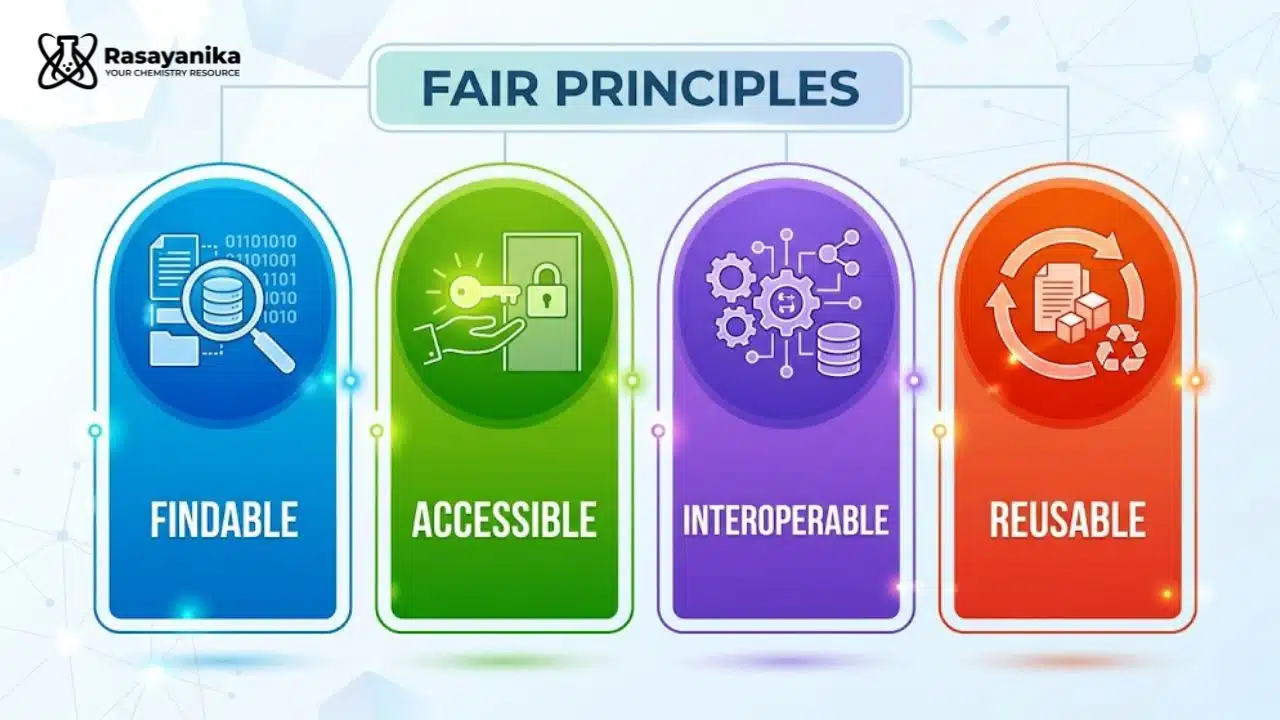
These principles ensure that catalyst data is not only available but also usable across different research groups and technologies. The underlying NOMAD platform already hosts thousands of catalysis datasets and enables researchers to explore, compare, and reuse data efficiently. Collaboration across the globe leads to better catalysts in the future. The overall collaborative project is working amongst the top leading research institutions such as Humboldt-Universität zu Berlin, Fritz Haber Institute, and Helmholtz-Zentrum Berlin.
Researchers have indicated that as more scientists enter their catalyst data on the platform, its value will increase through:
- Increased data diversity
- Improved AI modelling
- Accelerated innovations in sustainable catalyst technology
The future of catalyst innovation
Due to the growth of attempts in sustainability and carbon neutrality, the demand for high-performance catalysts is also increasing rapidly.
As the digital transformation of chemistry and open science continue to evolve, digital tools such as the Catalysis App represent a significant change in the use of catalysts.
Through the integration of structured datasets, artificial intelligence (AI), and global collaboration, the Catalysis App has the potential to change the way we discover new catalysts; therefore, they will be found more quickly than ever, for less money, and be much cleaner and greener.
The Catalysis App is more than just a place to obtain data on catalysts; it is a platform that will shape the future of catalyst research by providing standardized, machine-readable data and facilitating the use of AI in the quest for the next generation of catalysts capable of helping to create a cleaner and greener world.