
































Scientists Develop “Plastic to Fuel” Technology Using Sunlight
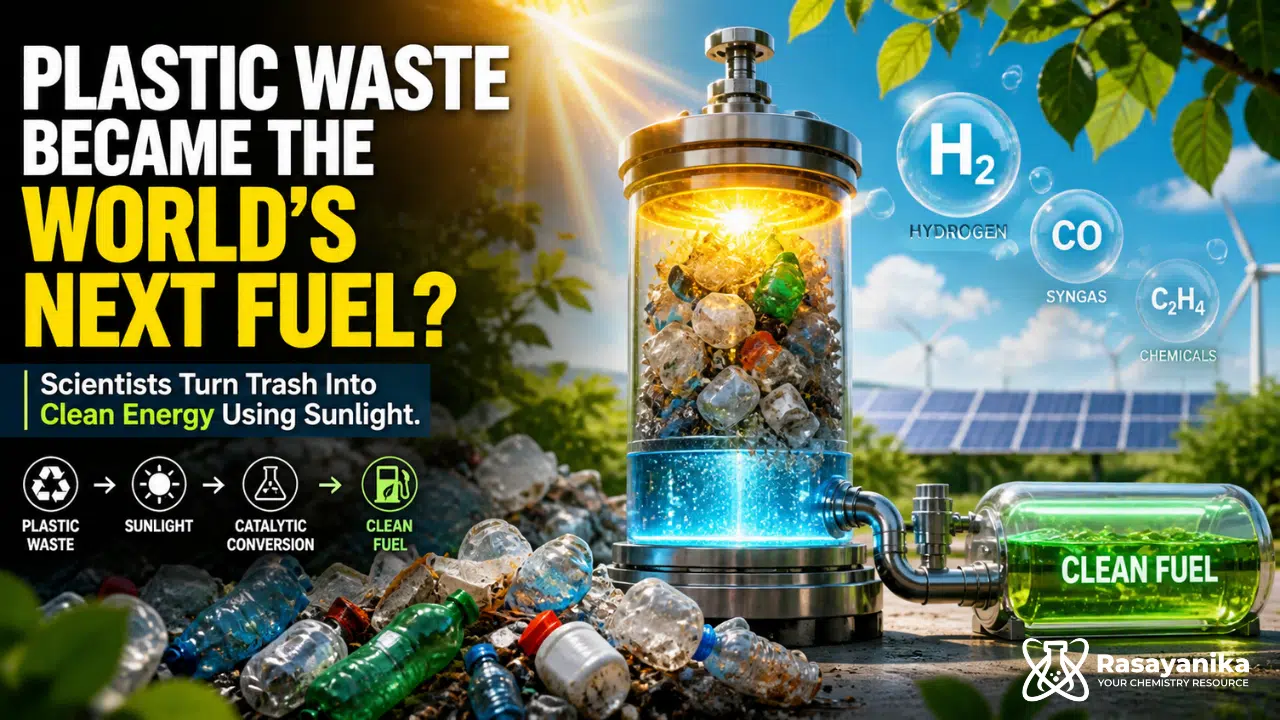
A recent report published in Chem Catalysis highlights, led by University of Adelaide PhD candidate Xiao Lu, a novel approach of converting discarded plastics into fuel through the use of solar energy. The research outlines a process through which discarded plastics can be converted into fuel such as hydrogen, syngas, and other chemicals, thus reducing waste and providing an environmentally friendly source of energy to meet rising global energy needs.
In an ever-increasing number of types of plastic produced annually, with hundreds of millions being generated each year, much of this plastic ends up in landfills or in the environment, causing long-term damage to the planet. There are also increasing global pressures for cleaner and more sustainable energy sources.
The technology used for creating fuel from plastic is based on the idea that plastics are made up of carbon and hydrogen. Carbon and hydrogen are the same elements that are found in traditional fuels. Scientists have begun to experiment with converting plastic into usable energy products, instead of treating it as waste. The concept of creating fuel from plastics is promising due to this change in perspective.
The Process that Transforms Sunlight into Fuel from Plastic
The heart of this technology includes a process called solar-powered photocatalytic reforming. In this procedure, sunlight and special materials called “photocatalysts” are used to break down plastics at lower temperatures.
The photocatalysts that are activated by sunshine initiate chemical reactions to produce hydrogen gas and other useful chemical products by converting plastic into smaller molecular weights than they originally had. Plastic can be more easily decomposed into these smaller molecular weights than water can; therefore, this method is substantially more energy-efficient than traditional hydrogen production techniques.
To put it simply, there are three aspects involved in this process:
- Collection of sunlight through the use of photocatalysts
- Decomposition of the plastic polymers into smaller molecular weights (and producing hydrogen and industrial chemicals)
- Production of clean fuels from the hydrogen produced (from the photocatalysts and/or photocatalyst agents). Consequently, the processing of plastic-to-fuel is a revolutionary technology.
Furthermore, this technology could be scaled in the future to meet energy requirements.
Progress Made and Remaining Challenges Ahead
Exciting developments have taken place in the field of plastic-to-fuel technology, with scientists reporting high levels of hydrogen production and valuable byproducts like acetic acid and hydrocarbon fuels. Some experimental setups have operated stably for over 100 hours, suggesting that plastic-to-fuel/energy technologies are moving out of initial development phases and are progressing into more mature technologies capable of scale.
Even though these systems are very promising, significant barriers must be overcome before mass adoption can happen. One of the most significant barriers is the complexity of plastic waste. Different types of plastics react differently to conversion processes, and additives such as colorants and stabilizers can inhibit the conversion of the plastic. As such, proper sorting of plastic waste and pre-treatment of the waste are critical to effectively converting plastics to fuel/energy.
The longevity of photocatalysts is another major challenge. Over time, these types of materials can break down and have reduced efficiency and increased operating costs. Additionally, the process also produces a mixture of gas and liquid, which requires additional steps to separate and purify. Separating and purifying these mixtures is very energy-intensive and therefore can have a negative impact on the overall sustainability of the processes and systems used.
Outlook for Plastic to Fuel Technology
Even with the challenges mentioned previously being significant, researchers are very optimistic that the long-term future for the use of plastic to fuel technology is bright. Current research is focused on improving the design of the catalysts used for conversion, developing continuous-flow reactors, and integrating solar energy with other energy sources to enhance efficiency. Since these technologies have a lot of room for improvement, it is also believed that researchers will be able to overcome the challenges faced by current systems to provide an effective solution for reducing plastic waste while producing sustainable fuel/energy.
If these advancements continue, plastic-to-fuel technology could become a critical component of global sustainability efforts. By converting waste into clean energy, it offers a practical pathway toward reducing pollution while supporting the transition to low-carbon fuels.
The development of plastic-to-fuel technology using sunlight represents a promising intersection of environmental science and energy innovation. While challenges remain, the progress made so far highlights the potential of turning one of the world’s biggest waste problems into a valuable energy solution.
As research continues to evolve, plastic to fuel could redefine how we manage waste and produce energy, moving us closer to a cleaner and more sustainable future.