




























Table of Contents
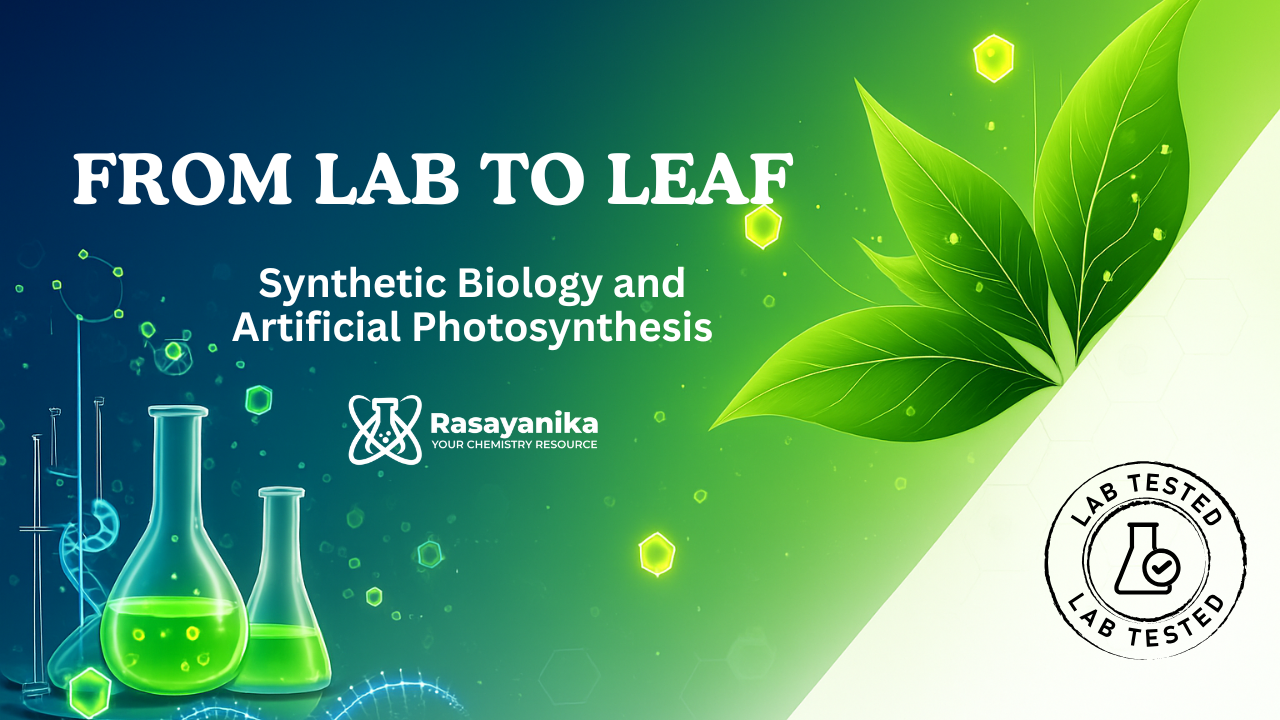
From Lab to Leaf: Synthetic Biology and Artificial Photosynthesis
Nature is said to be the world’s best engineer. The plant catches sunlight, converts carbon dioxide into food, and releases oxygen through photosynthesis. Today, scientists are trying to copy and even improve this natural process within and make it in situ. This thrilling journey connects two effective domains: synthetic biology and artificial photosynthesis. Together, they open new doors for clean energy, atmospheric solutions, and renewable industries.
In simple terms, synthetic biology aims to transform living organisms, while artificial photosynthesis seeks to build robots or networks that act like leaves. When these two domains come together, they may change how the world produces energy, food, and raw materials.
What Is Synthetic Biology?
Synthetic biology is a field of science that emphasizes the creation and modification of biological parts. Rather than studying living organisms as they are, synthetic biologists build new DNA sequences, engineer microbes
, and modify plants to perform tasks.Examples include:
- Medicines produced by Bacteria
- Biofuels made from Yeast
- Plants that survive harsh climates and can grow rapidly
The goal is to use living cells like tiny factories.
Synthetic Biology Mechanism
This domain depends on:
- Genetic engineering – Adding, omitting, or editing genes
- Biological circuits – Programming cells like computers
- Metabolic engineering – Changing how cells make power
- Genome editing tools – Technologies like CRISPR
By integrating these tools, scientists can train cells to create chemicals, absorb pollutants, or generate energy.
What Is Artificial Photosynthesis?
Artificial photosynthesis is done to mimic the natural photosynthesis process, but with fabricated systems. Plants utilize sunlight to turn carbon dioxide and water into oxygen and glucose. Researchers want to do something similar, but instead of sugar, the products may be:
- Hydrogen fuel
- Liquid fuels
- Valuable chemicals
In this process, devices like semiconductors, solar reactors, and photocatalysts play the role of leaves.
Artificial Photosynthesis Mechanism
Artificial photosynthesis usually has two steps:
1. Water Splitting
Light energy breaks water into:
- Hydrogen
- Oxygen
Hydrogen can be used as a clean fuel.
2. Carbon Dioxide Reduction
Carbon dioxide is transformed into:
- Methanol
- Ethanol
- Hydrocarbons
- Other industrial chemicals
Hence, this helps to reduce greenhouse gas emissions while creating useful products.
Why Combine Synthetic Biology and Artificial Photosynthesis?
The Need for New Energy Solutions
The world is currently facing critical issues like climate change, pollution, and dwindling energy resources. As fossils are finite and can harm the environment, depending on them is problematic. Natural photosynthesis alone cannot meet the global energy demand, primarily because the process is regressive, slow, and lacks the efficiency needed. Synthetic biology and artificial photosynthesis together can help scientists overcome these limitations.
Interaction between technology and biology brings next-generation sustainability, as represented by:
- Solar energy storage that can be enhanced by engineered microbes.
- Artificial leaves that can transmit energy to living cells.
- Hybrid systems that produce fuels without causing pollution.
Uses Of Synthetic Biology and Artificial Photosynthesis
1. Producing Sustainable Fuel
When traditional fuel burns, it releases carbon dioxide. In Artificial photosynthesis, sunlight and water can turn into hydrogen, which burns without harming the atmosphere. This can be improved by designing microorganisms using synthetic biology that can store hydrogen safely, convert hydrogen into liquid fuels, or produce biofuels without farmland. This could give power to industries, cars, and even airplanes.
2. Reducing Carbon Dioxide emissions
One of the biggest global concerns nowadays is excess CO2 emissions in the environment. On combining artificial photosynthesis with synthetic biology, this approach takes CO₂ and converts it into valuable materials — such as Plastics, fertilizers, biodegradable materials, and even food ingredients.
Specially designed microbes are guided to use carbon dioxide and convert it into a variety of sustainable products.
3. Eco-friendly Chemical Manufacturing
Synthetic biology offers an eco-friendly substitute for the traditional oil-dependent chemical sector by creating efficient conditions. When microbes are powered by sunlight and artificial photosynthesis, they can generate similar chemicals without relying on fuels.
This change results in several benefits, such as:
- Ecofriendly factories
- Decrease in pollution
- Reduction in production costs
- Recent Developments in Agriculture
Synthetic biology offers potential possibilities to boost crop yields. Scientists are working on ways to make plant photosynthesis better, aiming to develop crops that grow faster, use less water, or absorb more carbon dioxide. Artificial photosynthesis can provide a clean energy source, making it useful for powering controlled environments like indoor farms and vertical agriculture setups.
- Environmental Cleanup
Scientists are designing specialized microorganisms through synthetic biology that can break down harmful pollutants and chemical wastes. When these microbes take their energy from artificial photosynthesis, they become more flexible and work more efficiently even in difficult conditions. Together, this strategy supports the cleanup of polluted soils, lakes, and industrial waste areas.

Applied Research and Emerging Innovations
Artificial Leaves
Researchers have created floating, leaf-like devices that can convert sunlight into usable fuel. Impressively, some of these artificial leaves can operate even under cloudy conditions and in polluted air.
Solar-Fueled Microbes
Hybrid systems combining modified bacteria with light-driven catalysts are able to turn carbon dioxide into valuable materials with good efficiency.
Self-Repairing Systems
Researchers are now working to develop artificial photosynthesis devices that can repair themselves, much like real leaves. This improvement gives the ability to greatly improves their durability and makes it cost-effective
Obstacles in this area
1. Expensive
It is important to reduce the cost of artificial photosynthesis for its application, as current systems frequently depend on rare metals or complex, advanced equipment.
2. Low Efficiency
Even with significant progress and numerous experiments, matching the efficiency of natural photosynthesis is still a major hurdle for researchers.
3. Safety Risks
Managing engineered microbes carefully is crucial to avoid environmental risks. Putting strong safety practices in place and following proper regulatory guidelines is essential to ensure they are used responsibly.
4. Upscaling
Although laboratory tests are promising, producing meaningful amounts of clean fuels or chemicals requires systems that are much bigger and far more robust than those used in small-scale research.
Future Directions in Synthetic Biology and Artificial Photosynthesis
In the future, cities may have:
- Buildings covered in artificial leaves
- Factories that are powered by solar-driven microbes
- Higher-yielding agricultural field
- Emission-free fuels are used
Together, synthetic biology and artificial photosynthesis have the potential to transform the world’s energy landscape.
Moving Toward Net-Zero Emissions
These innovations provide powerful tools for reducing carbon emissions. They also promote a circular economy, where waste becomes a resource.
Key Takeaway
The merging of synthetic biology with artificial photosynthesis marks the beginning of a transformative era. By blending the brilliance of natural processes with human ingenuity, researchers are designing solutions capable of producing clean energy, absorbing carbon dioxide, and creating useful chemicals. Although challenges still exist, the advancements made so far highlight the promise of a cleaner and more sustainable future. This progression—from controlled laboratory research to technologies inspired by real leaves—strengthens the vision of a world with plentiful energy, cleaner industries, and a healthier planet for all.