





















Table of Contents
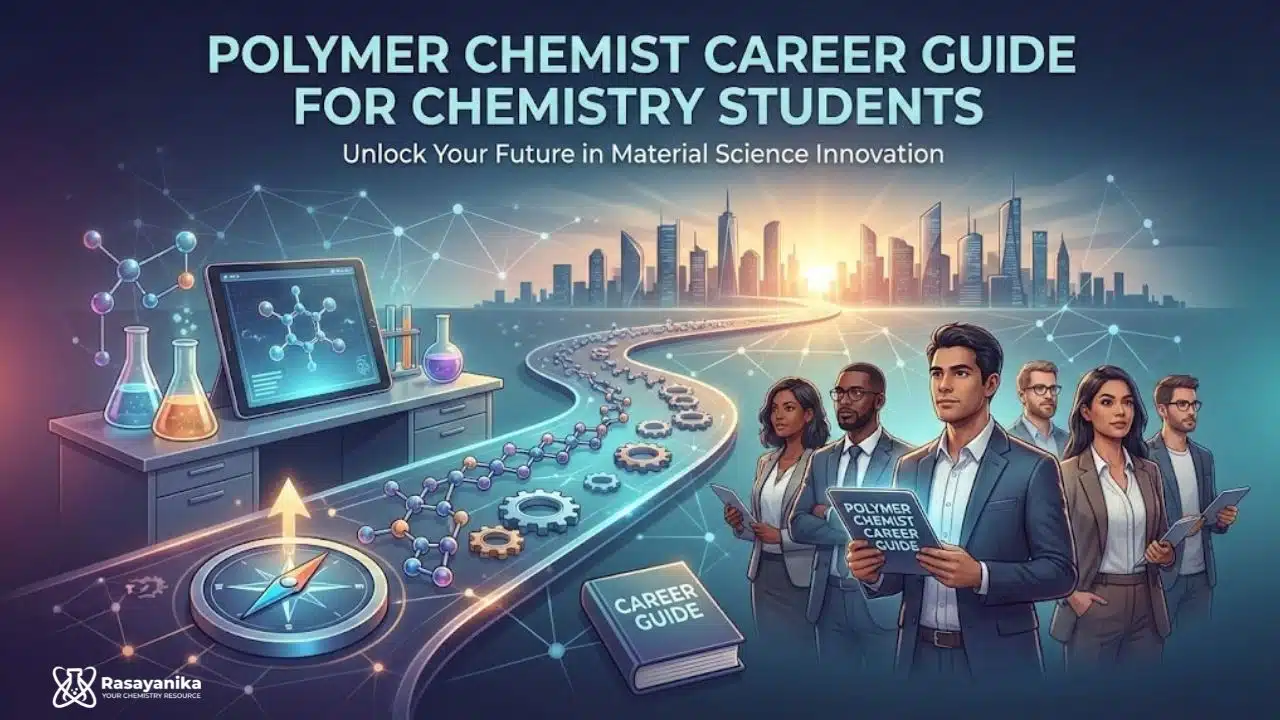
Polymer Chemist Career Guide for Chemistry Students
Polymer science is a branch of chemistry that deals with the design and synthesis of polymeric materials. Polymer Chemists form the backbone of many modern industries, such as manufacturing, healthcare, automotive, and electronics.
Polymer science is everywhere, from the plastic bottle that you carry, the cover of your smartphone, and the medical devices that save lives. They are lightweight yet stronger and power the modern industries. This is a dynamic field of chemistry and has become a crucial part of innovation across many industries, including Petrochemical Chemistry.
In this article, we will discuss careers in polymer chemistry and how a chemistry degree helps you build a career as a chemist.
Who Is a Polymer Chemist?
A polymer chemist focuses on the research and development of materials from polymers, like plastics, fibers, elastomers, and resins. The primary responsibility of a polymer chemist is to study polymer structures, create new materials, and enhance the existing ones. They develop, design, test, and refine materials that would suit specific industrial and commercial applications. Unlike the general chemistry subject, this subject covers a wide range of chemical processes. Polymer chemistry roles demand advanced knowledge of material applications. They collaborate regularly with material scientists, engineers, and product developers to innovate and develop the theoretical findings into practical applications across many industries.
How to become a Polymer Chemist?
To build a career as a polymer chemist, you need to have a strong concept of chemistry. Start with a bachelor’s degree in chemistry, which will provide you with the basic and essential knowledge in chemical science, laboratory techniques, and the right analytical skills. A strong foundation in petrochemical chemistry will help you to understand the molecular structures, reactions, and the behaviour of materials. These concepts are core to polymer science and will support long-term success in a chemist career.
If you want to become a polymer chemist, you should pursue a major in chemistry, such as Polymer chemistry or materials science. A specialized course in organic chemistry, physical chemistry, and polymer science will help students to develop the required technical knowledge.
Is it possible for a Chemical Engineer to become a polymer chemist?
Yes, a chemical engineer can become a polymer chemist. In addition to a traditional bachelor’s degree in chemistry, the engineering graduates can also transition into a polymer chemist with the relevant specialization and training.
Should you pursue a Master’s or a PhD?
If you want to pursue research or advanced academic roles in polymer science, then a Master’s and a PhD will be highly recommended. Higher studies will allow in-depth research, knowledge, and gain expertise, valuable skills to conduct research.
In addition, gain relevant certificates and complete internships with chemical, materials, or petrochemical companies to enhance your employability. Certificates will help you to get hands-on experience and give a practical exposure to industries, and you will learn polymer chemistry applications.
Essential Skills
- Analytical and problem solving skill
- Laboratory techniques
- Data analysis
- Flexibility and adaptability to new materials and technologies
Polymer Chemistry Career Opportunities
|
Positions |
Sectors | Roles |
| Polymer Research Scientist | Research labs, manufacturing of plastics, and chemical companies | They develop and test synthetic polymers derived from petrochemical feedstocks |
| Materials Chemist | Automotive, aerospace, electronics | They will enhance material strength, heat resistance, and durability using petrochemical-based polymers |
| Product Development Chemist | Consumer goods, packaging, industrial manufacturing | They design cost-effective and high-quality polymer products from petrochemical sources |
| Quality Control Chemist | Chemical plants, refineries, polymer production units | They ensure polymer materials meet safety, quality, and regulatory standards |
| Process Development Chemist | Petrochemical plants, oil & gas companies | They optimize polymer production processes for efficiency and sustainability |
| R&D Chemist (Polymer) | Chemical manufacturing firms, specialty polymer companies |
They innovate new polymer formulations for industrial and commercial applications |
Career and Salary Prospects
- Entry level: Graduates who have recently completed their degree can start as junior polymer chemists or laboratory assistants.
- Career progression: A junior polymer chemist can advance to a senior scientist, research and development manager, or even a specialized researcher.
- Salary prospects: It totally depends on education level, experience, and industry sector. In India, as a fresher, you can expect to get around 1.3L to 4 L per year, which also depends on the location.
A Polymer Chemist career will be a rewarding career, as many industries, such as automotive and packaging, demand highly equipped and knowledgeable chemists. They require someone who can innovate and has the ability to develop materials that are impacting our daily lives. Success in this dynamic field requires a solid chemistry degree combined with continuous skill development.
With increasing opportunities in research and development in industries and markets, careers in polymer chemistry will offer students a flexible and progressive career.
Polymer chemists play a vital role in advancing science, promoting sustainable innovation, and creating materials that drive modern industries.