































Quantum chemistry reveals a new route to selective JAK2 Inhibitors
It is possible to create drugs that only target a mutated disease-causing protein, while leaving the normal version untouched, which is one of the hardest challenges in drug discovery. These are called mutant-selective drugs. Many current cancer drugs are not selective enough. They block both the mutated protein and the healthy one. This can limit how much of the drug patients can safely take and often causes serious side effects.
A clear example is JAK2V617F, a mutation found in many patients with myeloproliferative neoplasms (MPNs). MPNs are chronic blood cancers where the body makes too many mature blood cells. Existing JAK inhibitors block JAK signalling broadly. This also affects healthy cells and often leads to cytopenias, which means reduced normal blood cell counts.
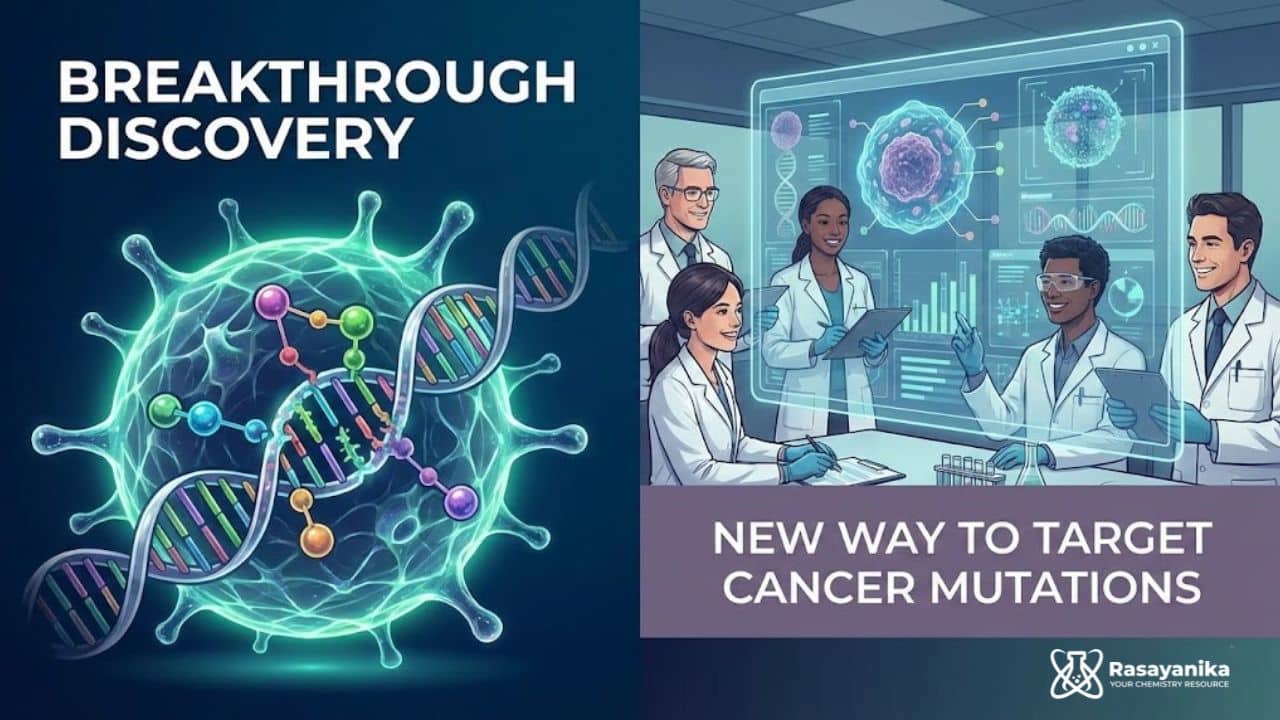
New preclinical research from Prelude Therapeutics, supported by computational drug discovery company QDX, suggests a possible solution. Using quantum chemistry–based simulat ions, the team identified a previously unknown binding pocket in the mutant JAK2V617F protein. This discovery helped them design inhibitors that targeted the mutant protein while sparing the normal (wild-type) version in animal models.
Wang’s background is in supercomputing, not traditional medicinal chemistry. He studied supercomputing at the Australian National University and later founded a distributed computing company that reached a market value of over $1 billion. After selling that company, he moved into drug discovery and co-founded Automera, which focused on autophagy-targeting degraders. He now leads QDX, which uses large-scale quantum chemistry simulations to study complex biological systems.
According to Wang, the main unmet need in JAK2-driven disease is selective inhibition of the mutant protein without affecting normal JAK2 inhibitors signalling. Traditional drug design methods have struggled to achieve this level of precision.
QDX was first brought in to support optimisation of the JAK2V617F inhibitor programme. During the work, some signs of selectivity began to appear, but the reason was unclear. Using a combination of quantum mechanics and molecular mechanics (QM/MM) simulations, QDX discovered that certain inhibitors were opening a previously unknown pocket — but only in the mutant protein. This explained the observed selectivity and guided further compound design.
Wang says classical computational methods were also tested but performed poorly. He explains that quantum mechanics (QM) simulations are more accurate because they make fewer assumptions, although they have traditionally been too slow and expensive for large-scale use. QDX developed software to overcome this limitation. Their platform can predict binding poses, binding strength and, in some cases, drug properties related to absorption, distribution, metabolism and excretion. The team also trained generative AI models using QM data to suggest molecular improvements.
Prelude reported that the final compounds selectively targeted JAK2V617F-positive stem and progenitor cells while sparing wild-type cells. In mouse models, treatment normalised blood counts and spleen size without causing the cytopenias typically seen with JAK inhibitors. Human trials will still be needed.
Wang believes this approach could reduce experimental work in early drug discovery. Running accurate simulations is faster and cheaper than making and testing many compounds in the lab. He also says simulations can reveal detailed molecular changes that experiments cannot directly observe.
The discovery may open the door to a new class of selective JAK2 inhibitors and suggests that quantum chemistry could play a larger role in future drug development.